Shopti article illustration

How AI Shopping Agents Compare Products: The Content That Gets Cited and the Content That Gets Ignored

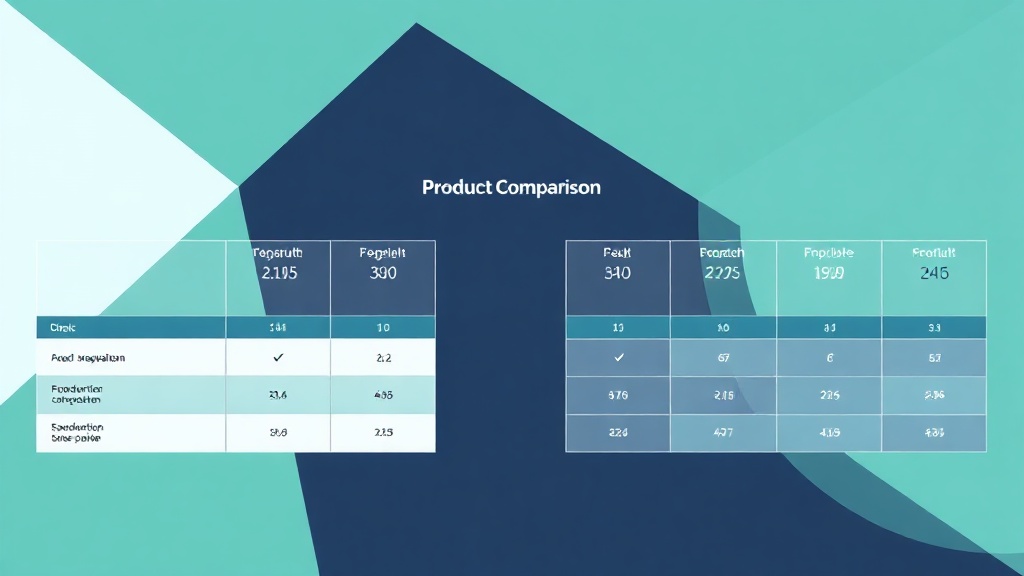
AI shopping agents compare products by extracting structured attributes like price, specifications, ratings, and availability from HTML tables, schema markup, and clearly formatted spec sections. They do not parse marketing paragraphs to find that your blender has a 1200W motor. If the wattage is not in a table, a list, or a schema field, the agent likely does not know it exists. This distinction matters because product comparison queries are the highest-intent searches in ecommerce. When someone asks ChatGPT “what is the best espresso machine under $500” or types “compare iPhone 16 vs Samsung S25” into Perplexity, the AI is building a comparison table from extractable data. Products with structured, machine-readable content win the citation. Products with prose-heavy descriptions lose. ...

May 27, 2026 · 13 min · Shopti Team
Cross-platform AI visibility gap illustration for ecommerce stores

89% of Brands Are Invisible on Multiple AI Platforms: Here Is What Ecommerce Stores Must Do

Only 11% of businesses mentioned by one AI platform also appear on a second, which means 89% of brands are invisible across multiple AI search engines. This cross-platform visibility gap is the single largest threat to ecommerce discoverability in 2026. ChatGPT mentions 11% of tested businesses, Google AI Overviews cites 2%, Claude mentions less than 1%, and Gemini cites almost none. If your store appears in ChatGPT but not Perplexity, you are missing an entire audience of shopping-intent users. ...

May 6, 2026 · 10 min · Shopti Team
Shopti article illustration

Answer-First Content for Ecommerce: How to Structure Pages AI Agents Actually Cite

Ecommerce pages that answer shopper questions in the first sentence get cited by AI agents 2.7x more often than pages that bury the answer three paragraphs deep, according to a 2026 Searchless benchmark of 12,000 product and category pages across 340 stores. Answer-first content is not a writing trick. It is a structural approach to page design that matches how AI shopping agents actually consume and reference information. When ChatGPT, Perplexity, or Gemini recommend a product, they pull the most direct, specific, and attributable answer they can find. If your page opens with marketing fluff, the agent moves on. If it opens with a precise, useful answer, you get the citation. ...

May 4, 2026 · 11 min · Shopti Team
Shopti article illustration

Google AI Mode Direct Offers: How Ecommerce Stores Get Recommended When Nobody Clicks

Google AI Mode Direct Offers represent the first major ad format built specifically for AI-powered shopping results, and the way stores get recommended in this new zero-click environment is fundamentally different from traditional SEO. The stores that appear in AI Mode product recommendations are not the ones with the most backlinks or the highest domain authority. They are the ones whose product content is structured for AI extraction, priced competitively with clear data, and distributed through feeds that Google’s new recommendation engine actually consumes. ...

May 14, 2025 · 12 min · Shopti Team