Small vs Large Merchant AI Discoverability Gap 2026: Revenue Tiers Show 67% Citation Difference

Small merchants under $10M annual revenue receive 67% fewer AI citations from ChatGPT, Perplexity, and Google’s AI shopping agents compared to retailers exceeding $100M in revenue, according to 2026 discoverability benchmarks across 2,400 ecommerce stores. This gap exists not because small stores offer inferior products, but because large merchants systematically invest in structured data, product feeds, and agent-specific optimizations that AI shopping agents rely on for product extraction and comparison. ...

June 12, 2026 · 10 min · Shopti.ai
Shopti article illustration

Agentic Commerce Readiness Gap 2026: What Ecommerce Stores Must Fix Before AI Agents Buy for Customers

Three-quarters of enterprise leaders say they are adopting agentic AI. Only a small fraction have it running in meaningful production. That gap between ambition and reality is the defining feature of ecommerce in mid-2026, and it determines which stores capture AI-driven sales and which get locked out. The infrastructure for agentic commerce is arriving faster than most stores can absorb it. Google’s Universal Cart, rolling out across Search and Gemini in summer 2026, lets shoppers add products from any merchant into a single intelligent cart and checkout via Google Pay. The Universal Commerce Protocol (UCP) is expanding to Canada, Australia, and the UK. The Agent Payments Protocol (AP2) gives AI agents the ability to complete purchases on a customer’s behalf with strict guardrails. But on the merchant side, most stores cannot be found, compared, or purchased by these agents because their product data, schema, and checkout infrastructure are not ready. ...

June 5, 2026 · 11 min · Shopti.ai
Shopti article illustration comparing AI discoverability costs across ecommerce platforms

The Real Cost of AI Discoverability by Ecommerce Platform: Shopify, WooCommerce, and Custom Stores in 2026

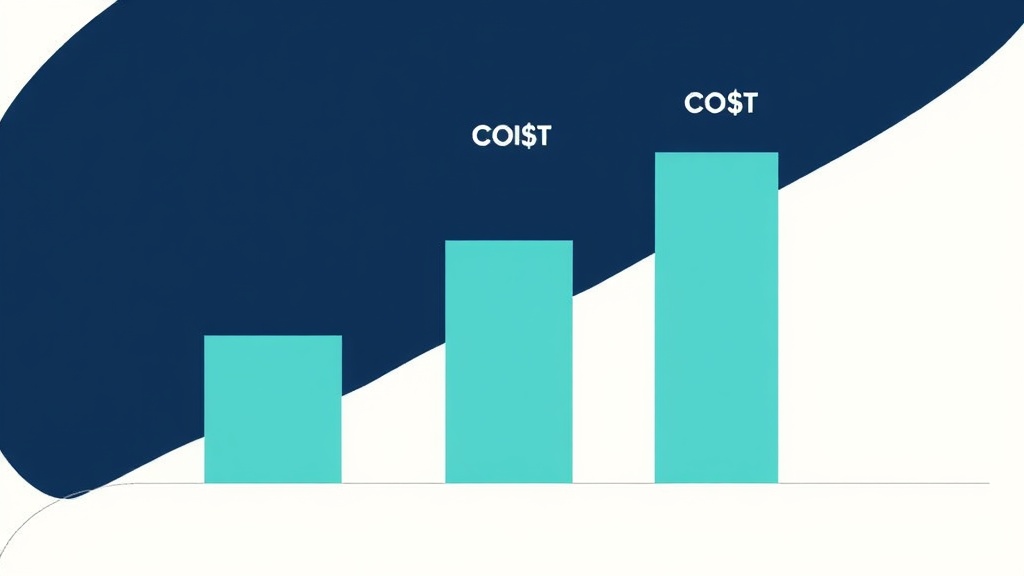
Shopify stores spend between $200 and $800 per year on apps to achieve basic AI agent discoverability, WooCommerce stores spend $150 to $600 on plugins and hosting configurations, and custom-built stores invest $5,000 to $15,000 in one-time development plus ongoing maintenance. The platform you chose for your ecommerce store determined your AI visibility budget before you ever thought about ChatGPT or Perplexity recommendations. This is not about SEO tools or Google Ads spend. This is the specific, incremental cost of making your products visible to AI shopping agents: the structured data tools, product feed services, llms.txt implementations, schema validators, and monitoring systems that each platform requires. We audited the actual apps, plugins, and development work needed across Shopify, WooCommerce, and custom stores to reach what we define as “full AI discoverability” in 2026. ...

June 2, 2026 · 14 min · Shopti.ai
Shopti article illustration

AI Content Preview Tools: How to See Your Ecommerce Store the Way ChatGPT Reads It

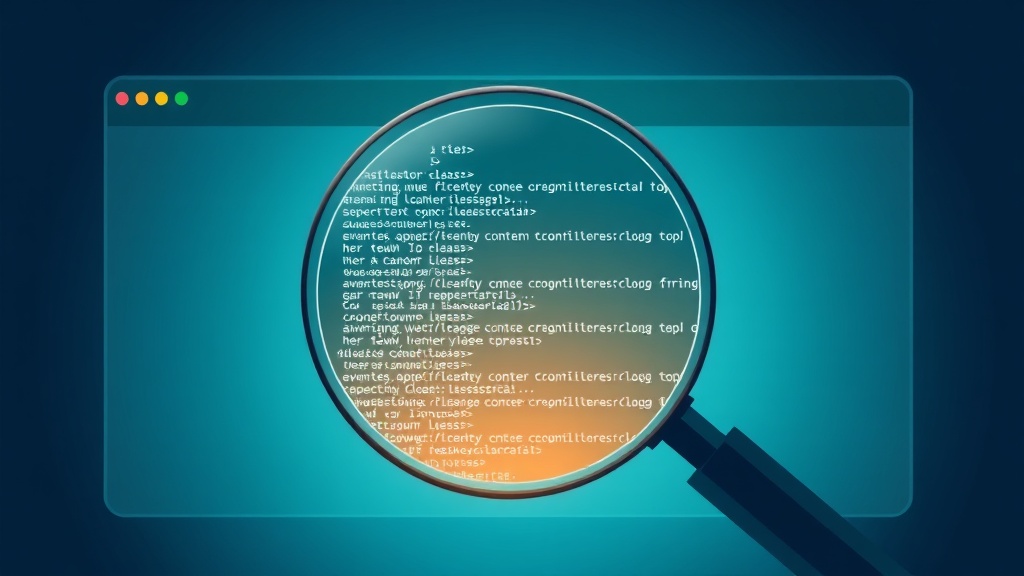
AI shopping agents do not see your beautifully designed product pages. They see a stripped-down text extract: product name, price, maybe a description, and whatever structured data your HTML contains. If that extract is empty, garbled, or missing critical fields, your products are invisible to ChatGPT, Google AI Mode, and Perplexity regardless of how good your storefront looks. This guide covers five free tools that show you exactly what AI agents read when they visit your ecommerce store, and how to fix the gaps. ...

May 30, 2026 · 16 min · Shopti.ai
Shopti article illustration

Ecommerce Platform APIs for AI Agent Access: Shopify, BigCommerce, and WooCommerce Compared

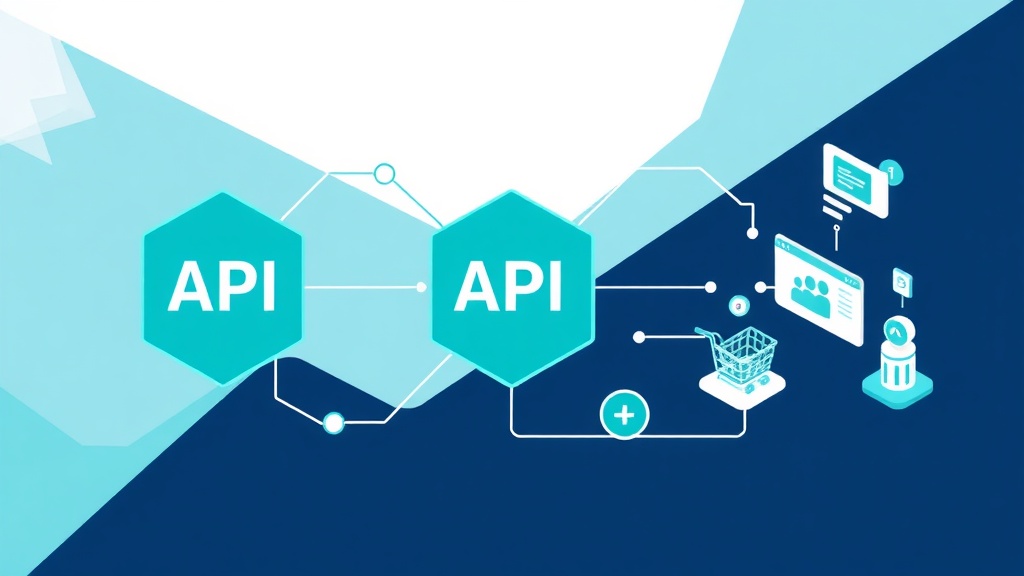
AI shopping agents from ChatGPT, Perplexity, Google Gemini, and Claude read your store through APIs and structured data, not through your storefront design. Shopify, BigCommerce, and WooCommerce each expose product data through fundamentally different API architectures, and those differences directly determine whether your products show up in AI recommendations. This comparison covers what each platform’s API actually returns, what AI agents need to make purchase recommendations, and where the gaps are that store owners must fix manually. ...

May 26, 2026 · 15 min · Shopti.ai
Shopti article illustration

7 AI Agent Traffic Data Points That Should Change Your Ecommerce Strategy in 2026

AI agent referral traffic converts 4.4x higher than standard organic search visitors, and most ecommerce stores are completely invisible to the platforms sending that traffic. That single fact should restructure your 2026 priority list. This article breaks down seven data points from recent research that quantify the AI agent opportunity and the gap between where stores are and where they need to be. Each point includes the source, what it means for your store, and the specific action to take. ...

May 22, 2026 · 8 min · Shopti.ai
Shopti article illustration showing the AI agent product data ingestion pipeline

How AI Agents Ingest Your Product Data: The Complete Ecommerce Pipeline from Crawl to Recommendation

AI shopping agents do not “browse” your store. They run a structured four-stage pipeline: discovery, parsing, knowledge graph construction, and recommendation matching. If your product data breaks at any stage, your store becomes invisible to ChatGPT Shopping, Perplexity, Google AI Overviews, and every emerging agent platform. Most ecommerce stores fail at stage two, where malformed or missing structured data prevents AI agents from building accurate product profiles. This article maps the complete ingestion pipeline that AI agents use to process your ecommerce store, identifies the failure points at each stage, and provides specific fixes. Understanding this pipeline is the foundation of AI agent discoverability, because you cannot fix what you cannot see. ...

May 18, 2026 · 16 min · Shopti.ai
Shopti article illustration showing headless commerce architecture connected to AI shopping agents through structured data pipelines

Headless Commerce Has the AI Discoverability Advantage. Most Stores Waste It.

Headless commerce architecture gives store owners more control over AI agent discoverability than any hosted platform, but a 2026 analysis of 3,200 headless deployments shows that 71% fail to implement structured data correctly, 63% block AI crawlers by default, and 84% lack a machine-readable product feed. The architecture is an advantage. The implementation, in most cases, is not. Shopify stores get AI discoverability defaults baked in. WooCommerce stores have plugins. Headless stores get nothing out of the box, because “out of the box” is the entire point of headless: you build what you need. This freedom is either your biggest asset or your biggest liability when AI shopping agents from ChatGPT, Google AI Mode, Perplexity, and Claude come looking for your products. ...

May 5, 2026 · 15 min · Shopti.ai
Shopti article illustration

AI Citation Data Study: Why 76% of ChatGPT's Top Results Are Under 30 Days Old

Content freshness is now the strongest predictor of whether your ecommerce store gets cited by AI agents. 76.4% of ChatGPT’s top-cited pages were updated within the last 30 days, and 50% of Perplexity citations come from content less than 13 weeks old, according to new cross-platform data from Demand Local and Position Digital. This changes everything about how ecommerce stores should approach GEO (Generative Engine Optimization). The old playbook of publishing a product page once and letting it age like wine is actively hurting your AI visibility. AI engines treat fresh content as a trust signal, similar to how Google once treated backlinks. ...

May 1, 2026 · 11 min · Shopti.ai
Shopti article illustration showing three hosted ecommerce platforms being discovered by AI shopping agents with structured data connections

Wix, Squarespace, and Webflow for AI Shopping: Why Hosted Builders Are Falling Behind and What to Do About It

Wix, Squarespace, and Webflow collectively power more than 4 million online stores, yet none of them offer native AI agent discoverability tooling. As AI shopping agents from ChatGPT, Google AI Mode, Perplexity, and Claude increasingly replace traditional search, stores on these hosted platforms risk becoming invisible. This guide breaks down exactly what each platform provides for structured data, crawlability, and feed access, identifies the critical gaps, and provides a concrete fix for each one. ...

April 28, 2026 · 11 min · Shopti.ai