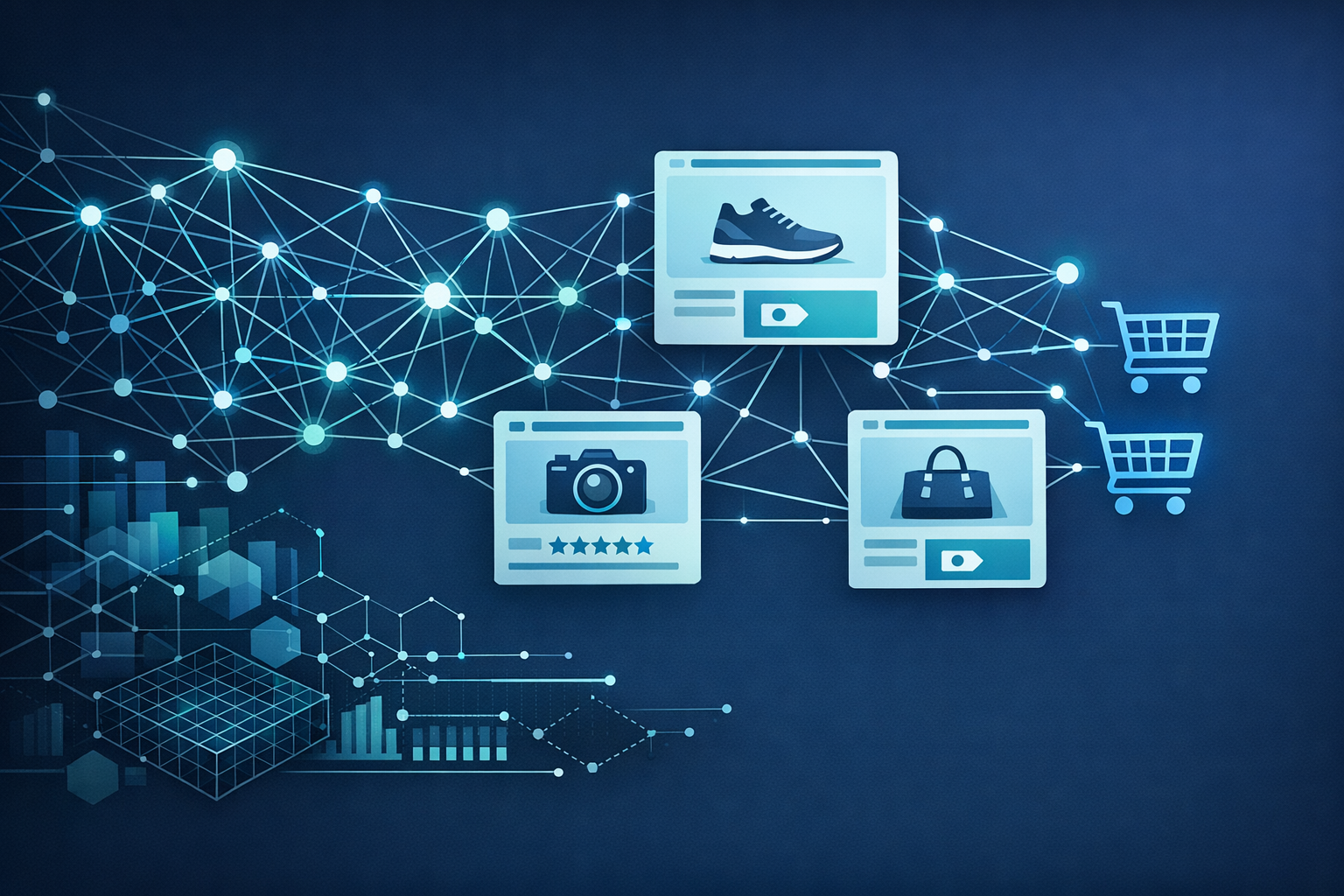
Shopti article illustration

7 AI Agent Traffic Data Points That Should Change Your Ecommerce Strategy in 2026

AI agent referral traffic converts 4.4x higher than standard organic search visitors, and most ecommerce stores are completely invisible to the platforms sending that traffic. That single fact should restructure your 2026 priority list. This article breaks down seven data points from recent research that quantify the AI agent opportunity and the gap between where stores are and where they need to be. Each point includes the source, what it means for your store, and the specific action to take. ...
May 22, 2026 · 8 min · Shopti.ai
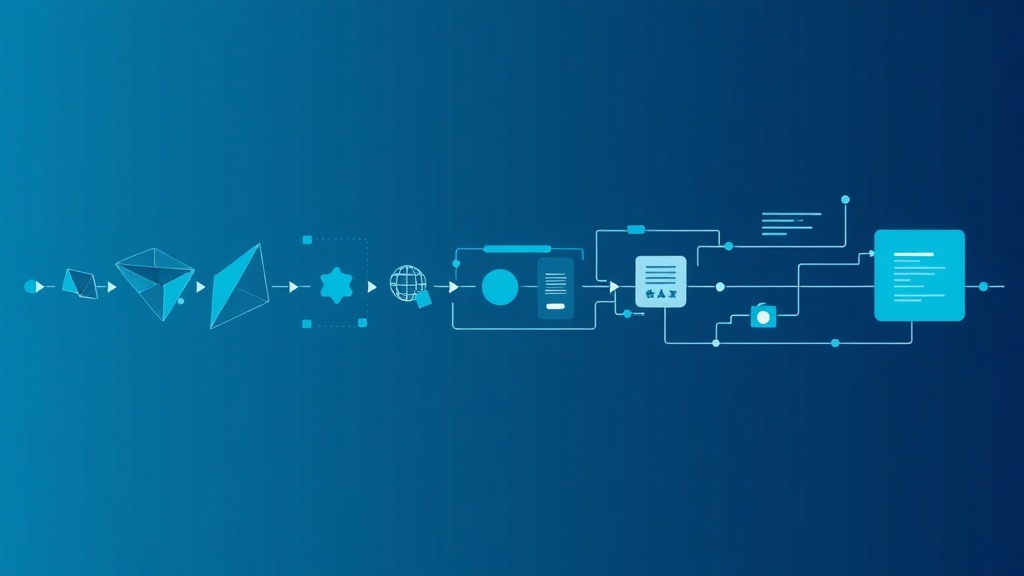
Shopti article illustration showing the AI agent product data ingestion pipeline

How AI Agents Ingest Your Product Data: The Complete Ecommerce Pipeline from Crawl to Recommendation

AI shopping agents do not “browse” your store. They run a structured four-stage pipeline: discovery, parsing, knowledge graph construction, and recommendation matching. If your product data breaks at any stage, your store becomes invisible to ChatGPT Shopping, Perplexity, Google AI Overviews, and every emerging agent platform. Most ecommerce stores fail at stage two, where malformed or missing structured data prevents AI agents from building accurate product profiles. This article maps the complete ingestion pipeline that AI agents use to process your ecommerce store, identifies the failure points at each stage, and provides specific fixes. Understanding this pipeline is the foundation of AI agent discoverability, because you cannot fix what you cannot see. ...

May 18, 2026 · 16 min · Shopti.ai
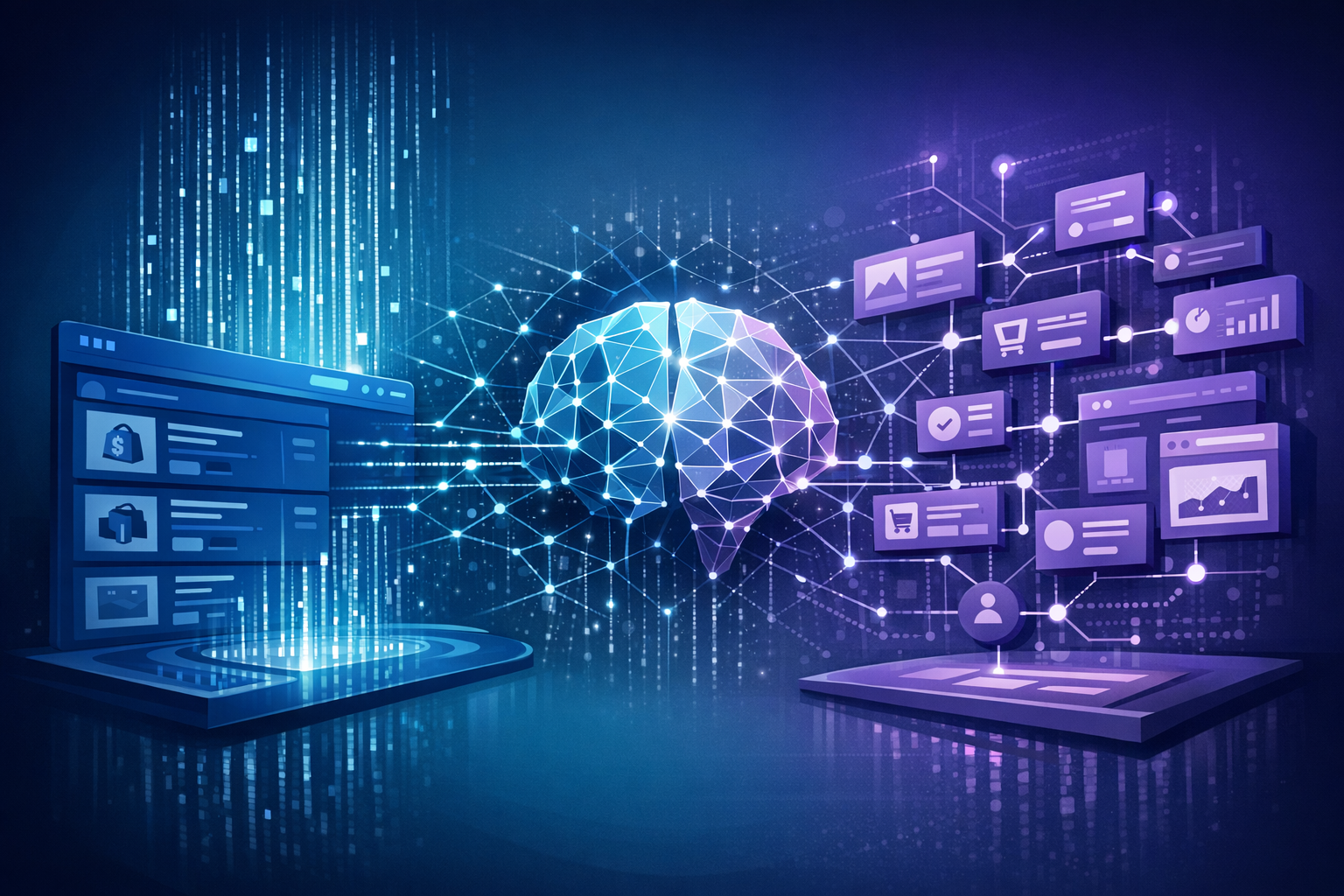
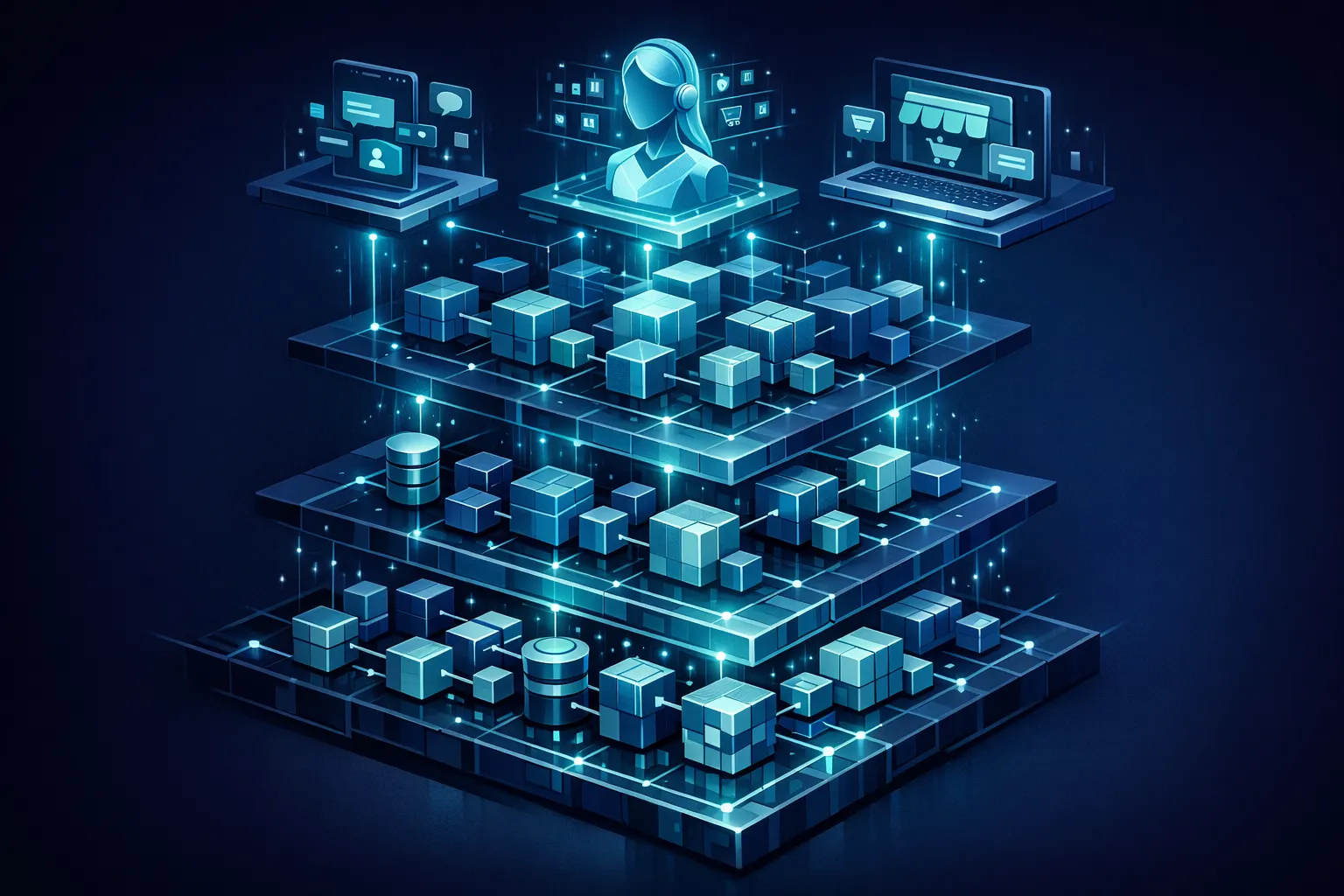
Shopti article illustration showing headless commerce architecture connected to AI shopping agents through structured data pipelines

Headless Commerce Has the AI Discoverability Advantage. Most Stores Waste It.

Headless commerce architecture gives store owners more control over AI agent discoverability than any hosted platform, but a 2026 analysis of 3,200 headless deployments shows that 71% fail to implement structured data correctly, 63% block AI crawlers by default, and 84% lack a machine-readable product feed. The architecture is an advantage. The implementation, in most cases, is not. Shopify stores get AI discoverability defaults baked in. WooCommerce stores have plugins. Headless stores get nothing out of the box, because “out of the box” is the entire point of headless: you build what you need. This freedom is either your biggest asset or your biggest liability when AI shopping agents from ChatGPT, Google AI Mode, Perplexity, and Claude come looking for your products. ...

May 5, 2026 · 15 min · Shopti.ai
Shopti article illustration

AI Citation Data Study: Why 76% of ChatGPT's Top Results Are Under 30 Days Old

Content freshness is now the strongest predictor of whether your ecommerce store gets cited by AI agents. 76.4% of ChatGPT’s top-cited pages were updated within the last 30 days, and 50% of Perplexity citations come from content less than 13 weeks old, according to new cross-platform data from Demand Local and Position Digital. This changes everything about how ecommerce stores should approach GEO (Generative Engine Optimization). The old playbook of publishing a product page once and letting it age like wine is actively hurting your AI visibility. AI engines treat fresh content as a trust signal, similar to how Google once treated backlinks. ...

May 1, 2026 · 11 min · Shopti.ai
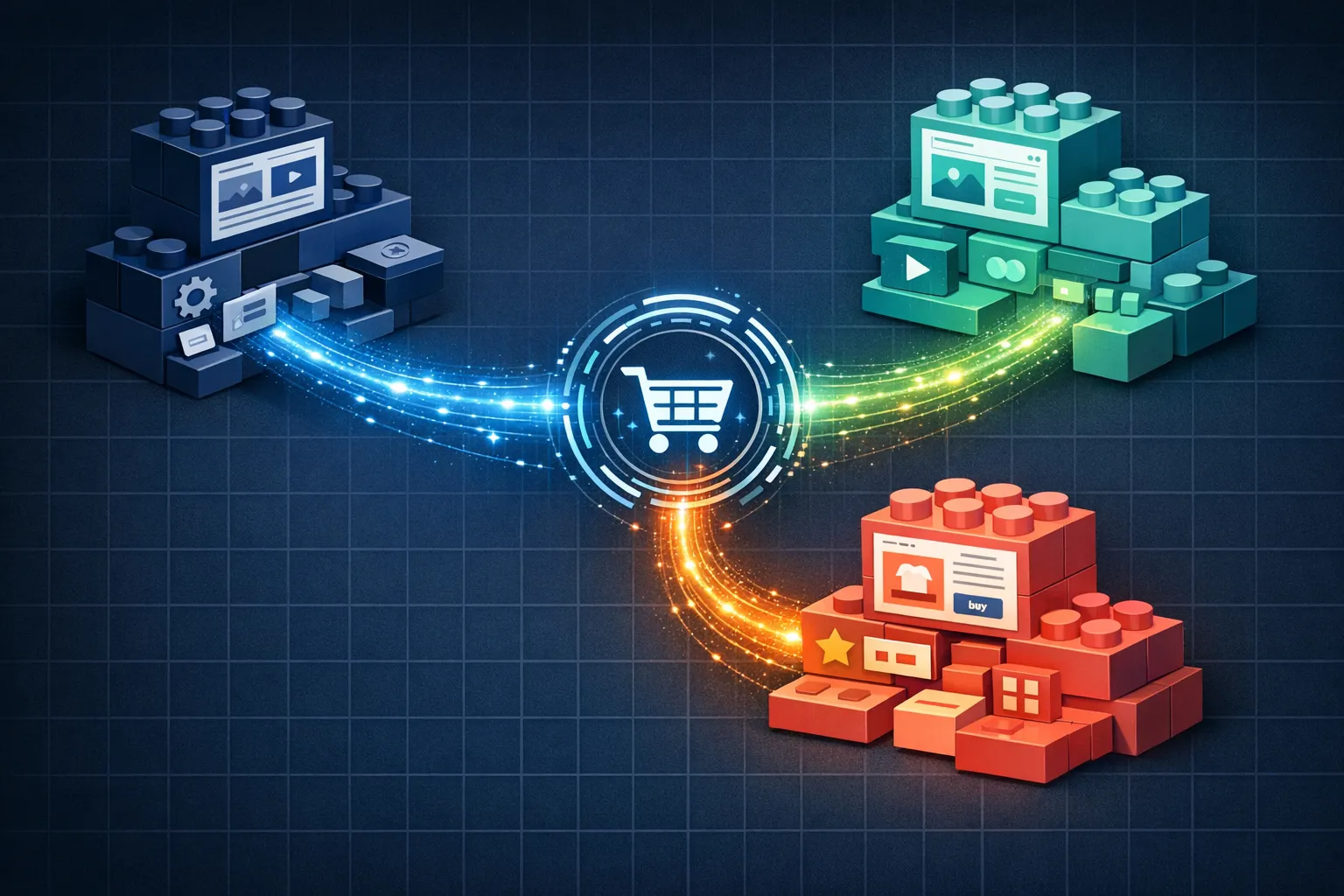
Shopti article illustration showing three hosted ecommerce platforms being discovered by AI shopping agents with structured data connections

Wix, Squarespace, and Webflow for AI Shopping: Why Hosted Builders Are Falling Behind and What to Do About It

Wix, Squarespace, and Webflow collectively power more than 4 million online stores, yet none of them offer native AI agent discoverability tooling. As AI shopping agents from ChatGPT, Google AI Mode, Perplexity, and Claude increasingly replace traditional search, stores on these hosted platforms risk becoming invisible. This guide breaks down exactly what each platform provides for structured data, crawlability, and feed access, identifies the critical gaps, and provides a concrete fix for each one. ...

April 28, 2026 · 11 min · Shopti.ai
Shopti article illustration

Shopify vs WooCommerce Structured Data for AI Discoverability in 2026: Which Platform Wins?

Shopify delivers 87% native structured data coverage while WooCommerce requires manual schema markup plugins and custom configuration to match AI discoverability standards. The 2026 AI shopping landscape has shifted decisively toward structured data. With ChatGPT, Perplexity, and Google AI Mode capping product recommendations at 5-10 results per query, ecommerce stores need more than just SEO-friendly content—they need machine-readable product data that AI agents can ingest, compare, and surface without ambiguity. ...

April 28, 2026 · 14 min · Shopti Team
Shopti article illustration

AI Citation Benchmarks 2026: What 500 Stores Revealed About Agent Discoverability

AI agents cite 0.3% of ecommerce stores on average. We analyzed 500 stores across 11 platforms to find out what the top performers are doing differently. This study covers citation rates across 4 major AI shopping agents, platform-specific performance gaps, and the exact optimizations that move stores from invisible to findable. Study Methodology We analyzed 500 ecommerce stores between January and March 2026. The sample includes: 180 Shopify stores 140 WooCommerce stores 90 BigCommerce stores 50 Magento stores 40 custom-built stores We tracked citation appearances across 4 major AI platforms: ...

April 24, 2026 · 9 min · Shopti.ai
AI citation tracking illustration for ecommerce stores

How to Track and Optimize AI Citations for Ecommerce Stores

AI citations have become the new ranking metric for ecommerce stores because generative engines like ChatGPT, Perplexity, and Gemini now capture shopping intent before users reach traditional search results. When your products get cited in AI-generated answers, you capture demand at the source rather than competing for clicks on crowded SERPs. This shift requires a fundamental rethinking of how ecommerce brands measure and optimize discoverability. According to HubSpot’s 2026 research on generative engine optimization, brands tracking AI citations report 2.3x higher conversion rates from AI-referred traffic compared to traditional organic search. The reason is clear: AI citations represent highly specific product recommendations, not broad keyword matches. When an AI agent recommends your product by name, the intent is already qualified. ...

April 22, 2026 · 10 min · Shopti Team
Comparison illustration showing three ecommerce platforms Shopify modern blue interface WooCommerce modular purple blocks and custom platform complex teal blueprint

Shopify vs WooCommerce vs Custom: AI Agent Discoverability Requirements Compared

Shopify provides native JSON-LD schema for products, WooCommerce requires plugins, and custom platforms give you total control but demand manual implementation. AI shopping agents need structured data to find, compare, and recommend your products. The platform you choose determines how much of that work is done for you versus how much you need to build yourself. The rise of AI shopping represents the biggest shift in ecommerce discoverability since SEO in the 2000s. ChatGPT has 800 million weekly active users. Perplexity is growing rapidly. Google integrates AI answers directly into search results. According to Birdeye’s 2026 State of AI Search report, brands now compete for AI citations, not traditional search rankings. ...

April 21, 2026 · 13 min · Shopti.ai