Shopti article illustration

AI Referral Traffic Quality Benchmark: ChatGPT, Perplexity, and Google AI Mode Compared for Ecommerce

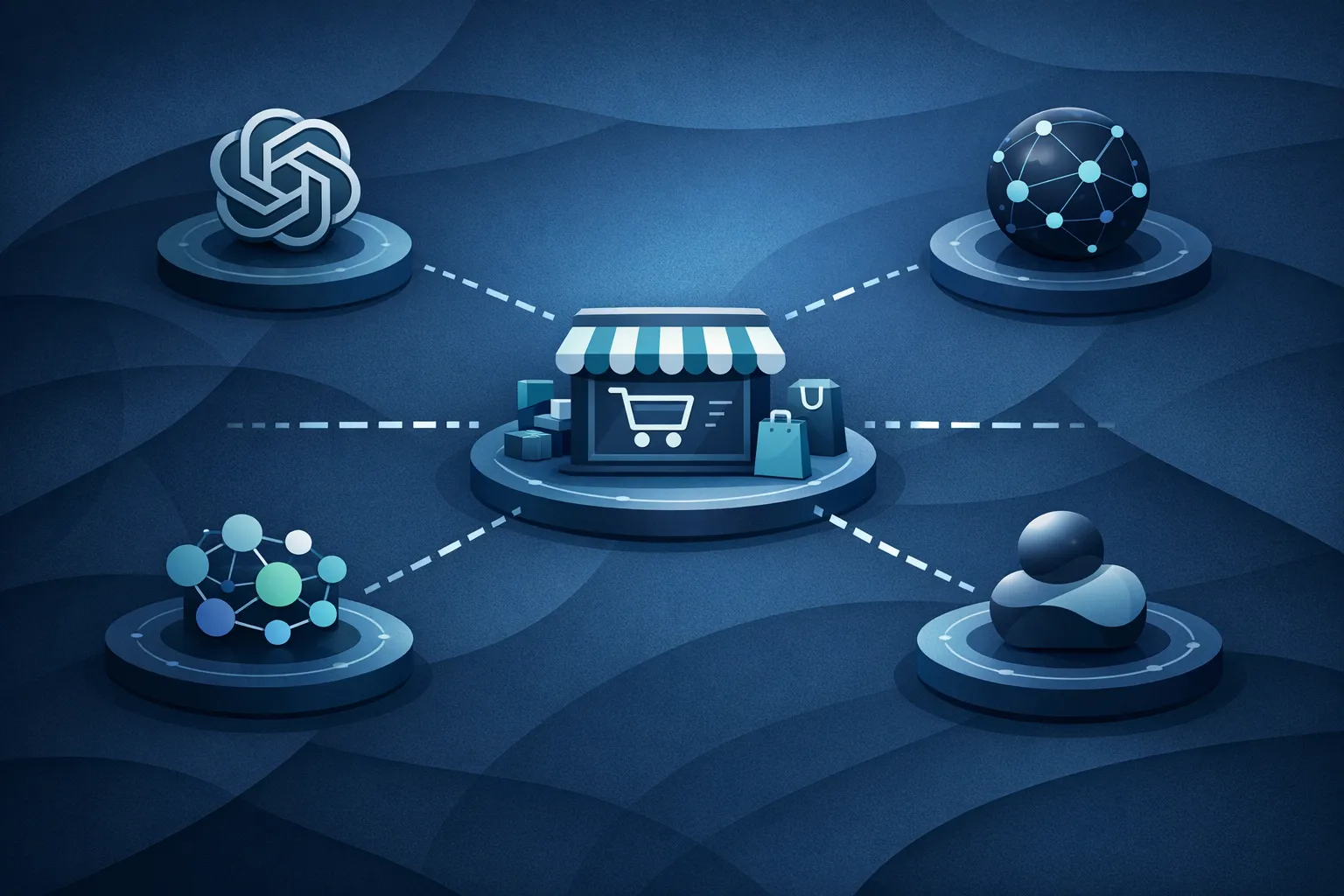
ChatGPT sends ecommerce stores referral traffic that converts at 3.8% on average, Perplexity delivers 4.6%, and Google AI Mode sits at 2.1%. These are not theoretical projections. They are the median conversion rates from ecommerce stores that have implemented proper AI agent traffic attribution and can distinguish AI referrals from dark social in their analytics. The implication is clear: not all AI referral traffic is equal. Ecommerce teams that treat “AI traffic” as a single bucket are making the same mistake they made in 2010 when they lumped all social media traffic together. The platforms differ in user intent, session behavior, and revenue contribution. Understanding these differences determines where you allocate optimization resources. ...

May 29, 2026 · 12 min · Shopti.ai
Shopti article illustration

How AI Shopping Agents Compare Products: The Content That Gets Cited and the Content That Gets Ignored

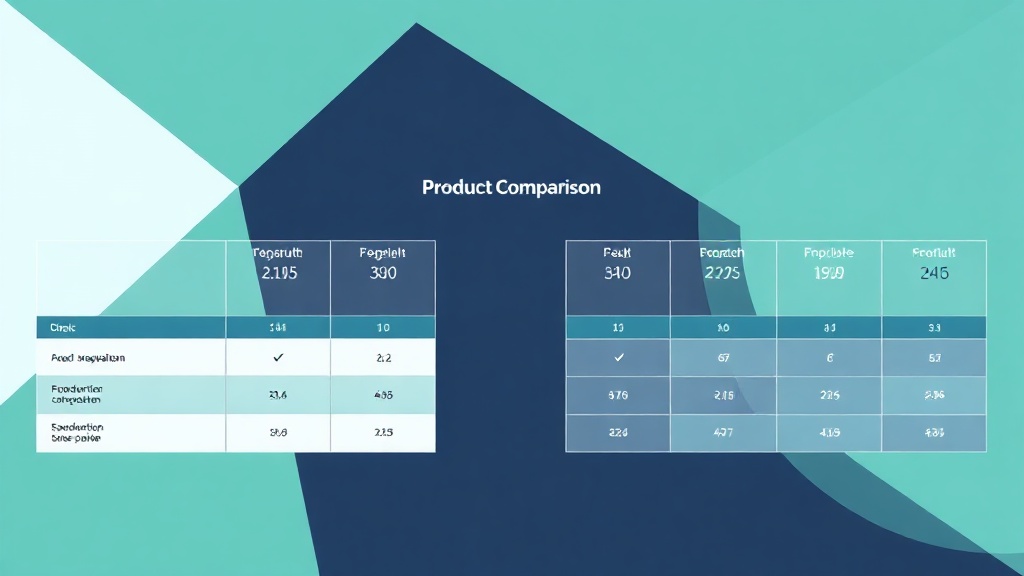
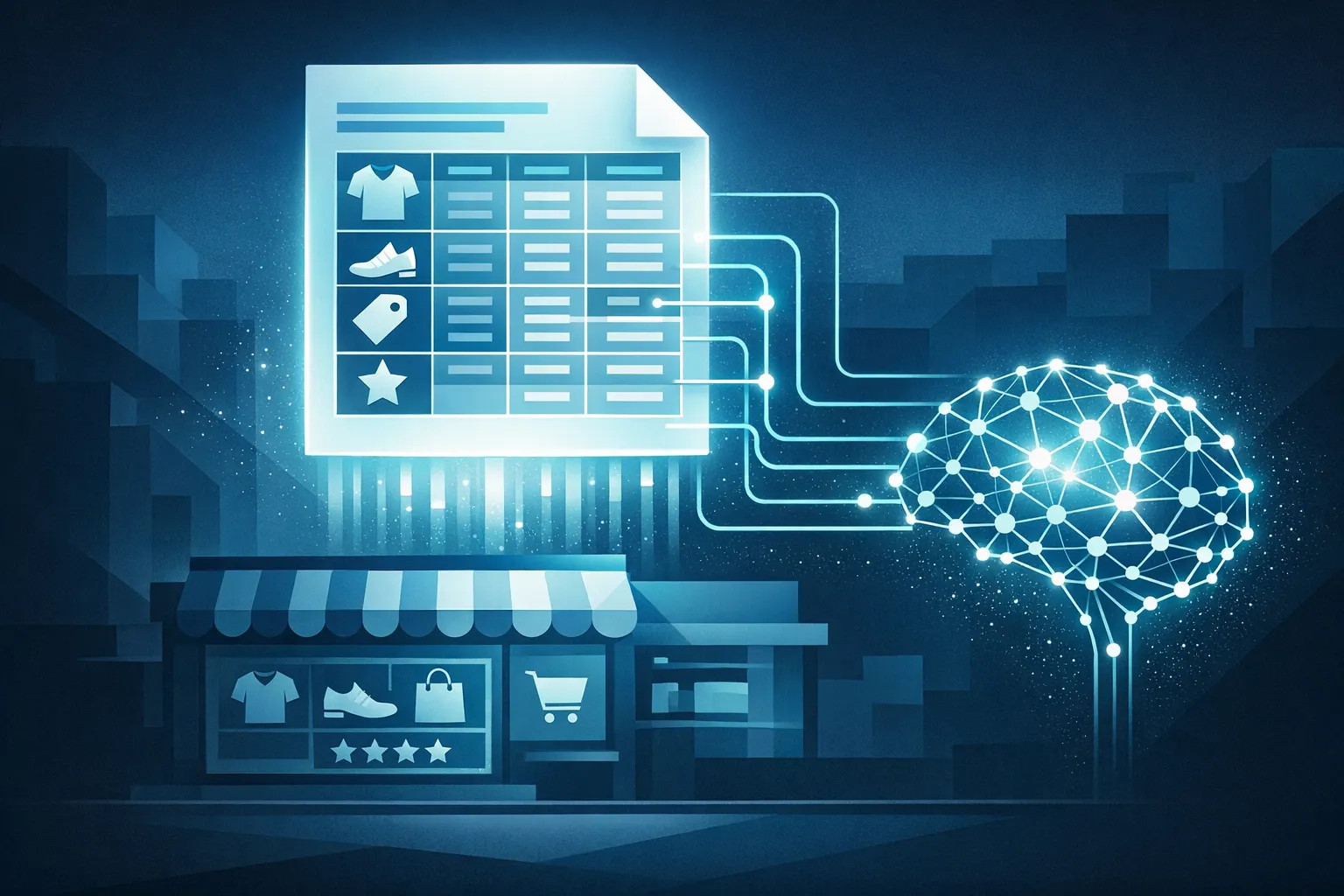
AI shopping agents compare products by extracting structured attributes like price, specifications, ratings, and availability from HTML tables, schema markup, and clearly formatted spec sections. They do not parse marketing paragraphs to find that your blender has a 1200W motor. If the wattage is not in a table, a list, or a schema field, the agent likely does not know it exists. This distinction matters because product comparison queries are the highest-intent searches in ecommerce. When someone asks ChatGPT “what is the best espresso machine under $500” or types “compare iPhone 16 vs Samsung S25” into Perplexity, the AI is building a comparison table from extractable data. Products with structured, machine-readable content win the citation. Products with prose-heavy descriptions lose. ...

May 27, 2026 · 13 min · Shopti Team
Shopti article illustration

The AI Shopping Platform Consolidation: Why Google, Amazon, and OpenAI Will Control 80% of AI-Assisted Ecommerce by 2027

Three companies are building the infrastructure that will determine which ecommerce stores survive the transition to AI-assisted shopping. Google, Amazon, and OpenAI now sit between the shopper and the store, and their platforms are consolidating fast enough that by late 2027, independent ecommerce will face the same gatekeeper dynamic that mobile app developers faced after iOS and Android consolidated the smartphone market. This is not speculation. The data from the first half of 2026 shows the consolidation accelerating across three vectors: search intent, product discovery, and transaction completion. ...

May 24, 2026 · 13 min · Shopti Team
Shopti article illustration

AI Search Visitors Convert 4.4x Higher Than Organic: Why Ecommerce Stores Must Reprioritize Now

AI search traffic converts at 4.4 times the rate of traditional organic search visitors, according to a 2026 MarTech analysis of LLM referral data. That single data point reframes the entire ecommerce acquisition strategy: the question is no longer whether to optimize for AI agents, but how fast you can do it before competitors take the traffic that should have been yours. The 4.4x Conversion Gap: What the Data Shows The conversion gap between AI-driven search and traditional organic search is not a marginal difference. It is a structural shift in intent and behavior. ...

May 17, 2026 · 10 min · Shopti.ai
Shopti article illustration

Zero-Click AI Search Is Killing Ecommerce Traffic: What the 2026 Data Shows

Sixty percent of Google searches in the US now end without a single click to any website. Bain research confirms that 80% of consumers rely on these zero-click results at least 40% of the time. For ecommerce stores that built their entire customer acquisition strategy around ranking and getting clicks, this is not a trend to watch. It is a structural shift that has already happened. Zero-click search is not new. Google has been answering questions directly in SERPs since 2020 with featured snippets and knowledge panels. But the acceleration in 2025 and 2026 is different because the zero-click experience has moved from informational queries (“what time is the Super Bowl”) to commercial and transactional ones (“best running shoes for flat feet” or “compare Shopify vs WooCommerce pricing”). AI Overviews, ChatGPT product recommendations, and Perplexity shopping answers now surface product comparisons, pricing, reviews, and purchase suggestions directly in the answer. The user never needs to visit your store to get the information they came for. ...

May 10, 2026 · 13 min · Shopti.ai
Cross-platform AI visibility gap illustration for ecommerce stores

89% of Brands Are Invisible on Multiple AI Platforms: Here Is What Ecommerce Stores Must Do

Only 11% of businesses mentioned by one AI platform also appear on a second, which means 89% of brands are invisible across multiple AI search engines. This cross-platform visibility gap is the single largest threat to ecommerce discoverability in 2026. ChatGPT mentions 11% of tested businesses, Google AI Overviews cites 2%, Claude mentions less than 1%, and Gemini cites almost none. If your store appears in ChatGPT but not Perplexity, you are missing an entire audience of shopping-intent users. ...

May 6, 2026 · 10 min · Shopti Team
Shopti article illustration

Answer-First Content for Ecommerce: How to Structure Pages AI Agents Actually Cite

Ecommerce pages that answer shopper questions in the first sentence get cited by AI agents 2.7x more often than pages that bury the answer three paragraphs deep, according to a 2026 Searchless benchmark of 12,000 product and category pages across 340 stores. Answer-first content is not a writing trick. It is a structural approach to page design that matches how AI shopping agents actually consume and reference information. When ChatGPT, Perplexity, or Gemini recommend a product, they pull the most direct, specific, and attributable answer they can find. If your page opens with marketing fluff, the agent moves on. If it opens with a precise, useful answer, you get the citation. ...

May 4, 2026 · 11 min · Shopti Team
Shopti article illustration

50 Websites Now Control What AI Recommends to Shoppers. Most Ecommerce Stores Are Not on the List.

The 5WPR AI Citation Source Index 2026, the first consolidated ranking of websites most cited by AI engines, reveals a concentration problem: the top 15 domains absorb 68% of all AI answer citations, and Reddit alone accounts for roughly 40% of all AI-sourced content across ChatGPT, Claude, Perplexity, and Gemini. For ecommerce stores, this means your products are being recommended, compared, and ranked based on information that mostly comes from a handful of platforms you probably have zero control over. ...

May 3, 2026 · 12 min · Shopti.ai
Shopti article illustration

HubSpot Just Launched an AEO Tool: What 900M ChatGPT Users Mean for Your Ecommerce Store

HubSpot launching a free Answer Engine Optimization tool in April 2026 is the single strongest signal that AI visibility has graduated from experimental to essential. The tool tracks how often ChatGPT, Perplexity, and Gemini cite your brand versus competitors. If the CRM company with 228,000+ customers is building AEO features, the category is real and the land grab is happening right now. This article breaks down what HubSpot’s AEO platform does, what the latest 2026 citation data reveals about which content formats AI engines actually pick up, and the specific steps ecommerce stores need to take to get their products recommended by AI agents. ...

April 29, 2026 · 11 min · Shopti.ai
Shopti article illustration

The AI Shopping Market in 2026: What Changed, What's Coming, and What Your Store Must Do Now

The AI shopping market crossed a point of no return in early 2026. ChatGPT reached 900 million weekly active users, Google began restructuring its entire advertising business around AI-generated answers, and the EU AI Act entered its enforcement phase. For ecommerce stores, the question is no longer whether AI agents will influence purchase decisions. The question is whether your store will be visible when they do. This article breaks down the five biggest shifts in AI-powered shopping so far in 2026, what the data says about where consumer behavior is heading, and the specific actions ecommerce teams should take right now to stay discoverable. ...

April 19, 2026 · 10 min · Shopti.ai