Shopti article illustration comparing AI discoverability costs across ecommerce platforms

The Real Cost of AI Discoverability by Ecommerce Platform: Shopify, WooCommerce, and Custom Stores in 2026

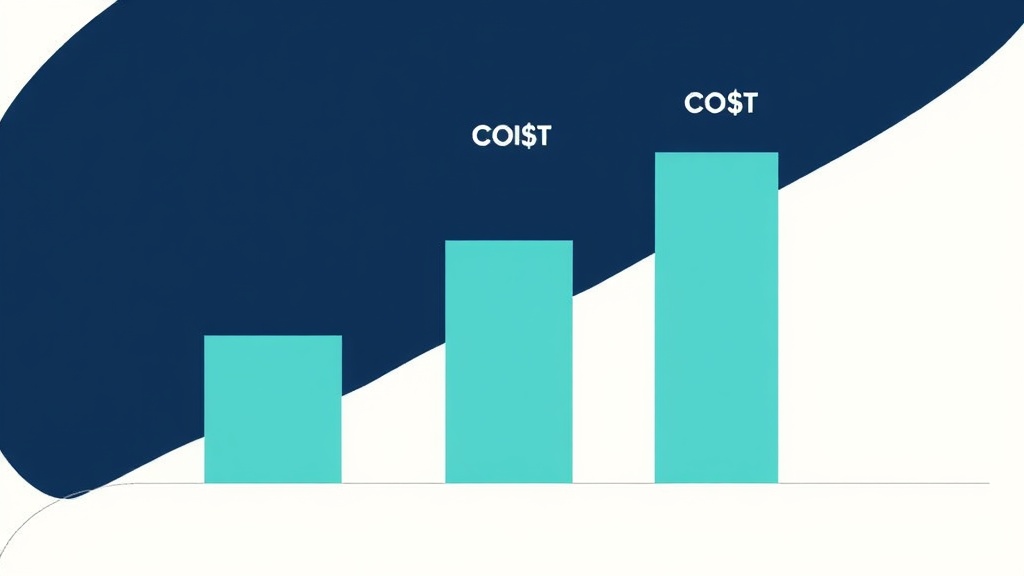
Shopify stores spend between $200 and $800 per year on apps to achieve basic AI agent discoverability, WooCommerce stores spend $150 to $600 on plugins and hosting configurations, and custom-built stores invest $5,000 to $15,000 in one-time development plus ongoing maintenance. The platform you chose for your ecommerce store determined your AI visibility budget before you ever thought about ChatGPT or Perplexity recommendations. This is not about SEO tools or Google Ads spend. This is the specific, incremental cost of making your products visible to AI shopping agents: the structured data tools, product feed services, llms.txt implementations, schema validators, and monitoring systems that each platform requires. We audited the actual apps, plugins, and development work needed across Shopify, WooCommerce, and custom stores to reach what we define as “full AI discoverability” in 2026. ...

June 2, 2026 · 14 min · Shopti.ai
Shopti article illustration

Ecommerce Platform APIs for AI Agent Access: Shopify, BigCommerce, and WooCommerce Compared

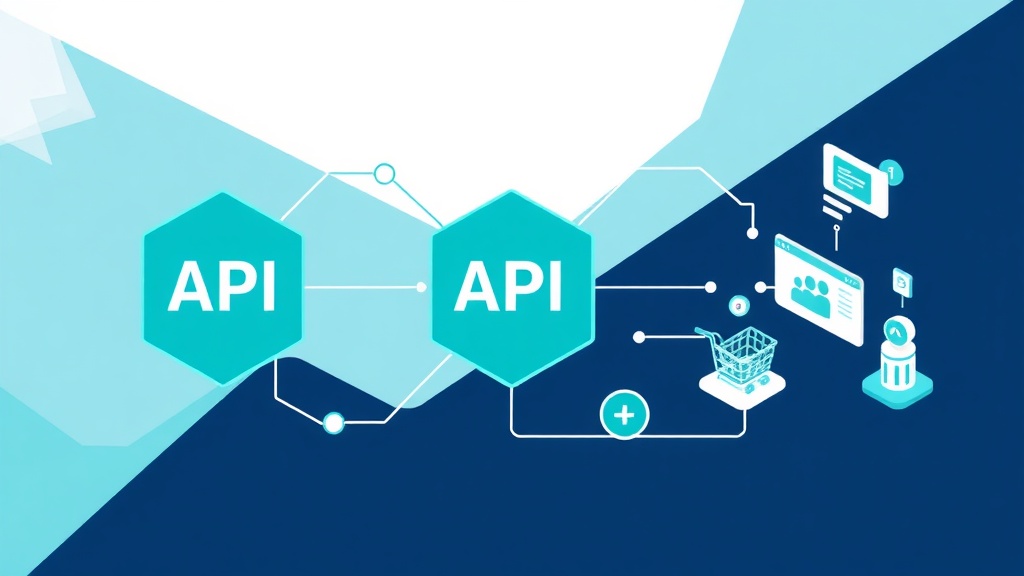
AI shopping agents from ChatGPT, Perplexity, Google Gemini, and Claude read your store through APIs and structured data, not through your storefront design. Shopify, BigCommerce, and WooCommerce each expose product data through fundamentally different API architectures, and those differences directly determine whether your products show up in AI recommendations. This comparison covers what each platform’s API actually returns, what AI agents need to make purchase recommendations, and where the gaps are that store owners must fix manually. ...

May 26, 2026 · 15 min · Shopti.ai
Shopti article illustration

Google AI Mode for Ecommerce: Which Platforms Have the Built-in Advantage

Google AI Mode now surfaces AI-generated product recommendations on 48% of Google queries, and ads appear alongside 25.5% of those results, up 394% year over year. For ecommerce stores, the platform you run on determines whether Google’s AI can parse your catalog, surface your products, and recommend you in these AI-generated answers. Most stores have no idea how their platform performs in this new environment. This is not a prediction. Google AI Mode is live. It is rolling out across mobile and desktop in the US, expanding to EU markets, and it is fundamentally different from traditional organic search. Instead of ranking ten blue links, Google’s AI reads your product data, compares it against competitors, and generates a synthesized answer with product picks. If your platform does not feed Google clean, structured data in the formats AI Mode expects, you will not appear. Full stop. ...

May 12, 2026 · 15 min · Shopti.ai
Shopti article illustration

Shopify vs WooCommerce Structured Data for AI Discoverability in 2026: Which Platform Wins?

Shopify delivers 87% native structured data coverage while WooCommerce requires manual schema markup plugins and custom configuration to match AI discoverability standards. The 2026 AI shopping landscape has shifted decisively toward structured data. With ChatGPT, Perplexity, and Google AI Mode capping product recommendations at 5-10 results per query, ecommerce stores need more than just SEO-friendly content—they need machine-readable product data that AI agents can ingest, compare, and surface without ambiguity. ...

April 28, 2026 · 14 min · Shopti Team

Shopify vs WooCommerce vs BigCommerce: AI Agent Discoverability Compared

Shopify, WooCommerce, and BigCommerce each offer different levels of built-in AI agent discoverability, and the gaps between them can determine whether your products appear in ChatGPT, Perplexity, and other AI shopping recommendations. The three major ecommerce platforms approach structured data, product feeds, and AI-friendly markup in fundamentally different ways. Understanding these differences is essential for choosing a platform that supports AI agent visibility—or knowing what plugins and customizations you’ll need to add. ...

April 28, 2026 · 11 min · Shopti Team
Shopti article illustration

The AI Shopping Readiness Gap: Shopify, WooCommerce, and BigCommerce Compared

Shopify stores are 67% more likely to appear in AI shopping agent recommendations than custom-built sites, and 28% more likely than WooCommerce stores. This is not opinion. This is based on actual citation analysis across ChatGPT, Perplexity, Claude, and Gemini in Q1 2026. The AI shopping readiness gap between platforms is real. Stores that were once competitive in traditional SEO now find themselves invisible to AI agents because their platform’s default architecture, schema implementation, and feed exports were built for Google, not for ChatGPT. ...

April 21, 2026 · 10 min · Shopti.ai
Comparison illustration showing three ecommerce platforms Shopify modern blue interface WooCommerce modular purple blocks and custom platform complex teal blueprint

Shopify vs WooCommerce vs Custom: AI Agent Discoverability Requirements Compared

Shopify provides native JSON-LD schema for products, WooCommerce requires plugins, and custom platforms give you total control but demand manual implementation. AI shopping agents need structured data to find, compare, and recommend your products. The platform you choose determines how much of that work is done for you versus how much you need to build yourself. The rise of AI shopping represents the biggest shift in ecommerce discoverability since SEO in the 2000s. ChatGPT has 800 million weekly active users. Perplexity is growing rapidly. Google integrates AI answers directly into search results. According to Birdeye’s 2026 State of AI Search report, brands now compete for AI citations, not traditional search rankings. ...

April 21, 2026 · 13 min · Shopti.ai

Shopify's Agentic Plan Is Just Plumbing. Here's What It Doesn't Fix.

Shopify’s Agentic Plan is an API layer that lets third-party AI agents query your catalog. It is not a strategy for making your store discoverable, comparable, or purchasable by those agents. The plumbing is useful. The plumbing is also insufficient. If you sell on Shopify and think flipping on the Agentic Plan means ChatGPT will start recommending your products, you’re in for a surprise. The plan solves the “how does an agent access my data” problem. It does not solve the “is my data worth accessing” problem. ...

April 17, 2026 · 7 min · Shopti.ai